
The 7 Warning Signs of Foundation Failure in Texas
If you own a home in the Lone Star State, you aren’t just managing property; you are managing a constant battle with the ground beneath your feet. Texas is famous for its “Blackland Prairie” and expansive clay soils, which act like a sponge—expanding when wet and shrinking during our brutal summer droughts. This movement is the primary cause of foundation failure from Dallas and Houston to San Antonio and the Rio Grande Valley.
As we navigate 2026, climate shifts have made soil moisture consistency harder to maintain. At Top Austin Businesses, we provide insights for property owners across the state to help them spot trouble before it leads to a total structural collapse. Here are the seven definitive warning signs of foundation failure in Texas.
The Texas Soil Problem: Why Our Foundations Shift
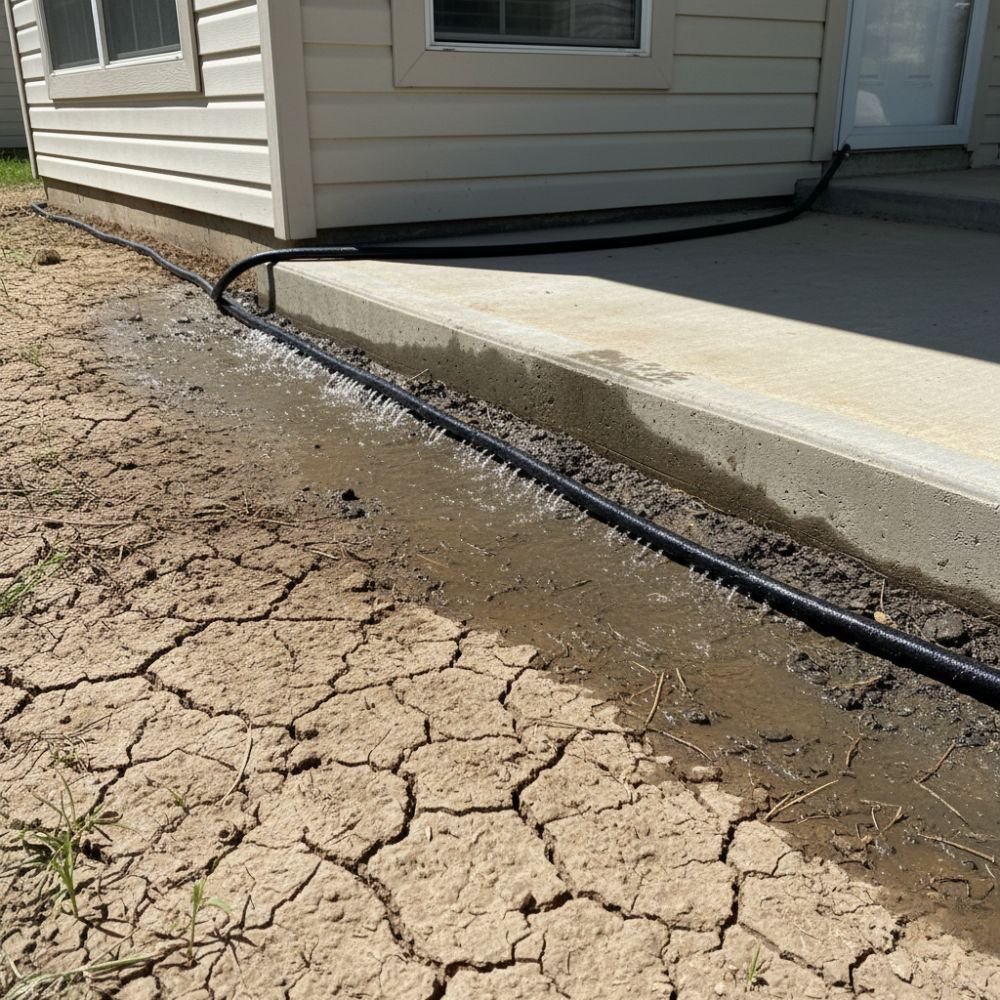
Unlike states with rocky or sandy substrates, much of Texas sits on clay that can exert thousands of pounds of pressure per square foot when it swells. When the soil dries out, it pulls away from your foundation, leaving the heavy concrete slab unsupported. This “shrink-swell” cycle leads to differential settlement, where one part of your house sinks while another remains stable.
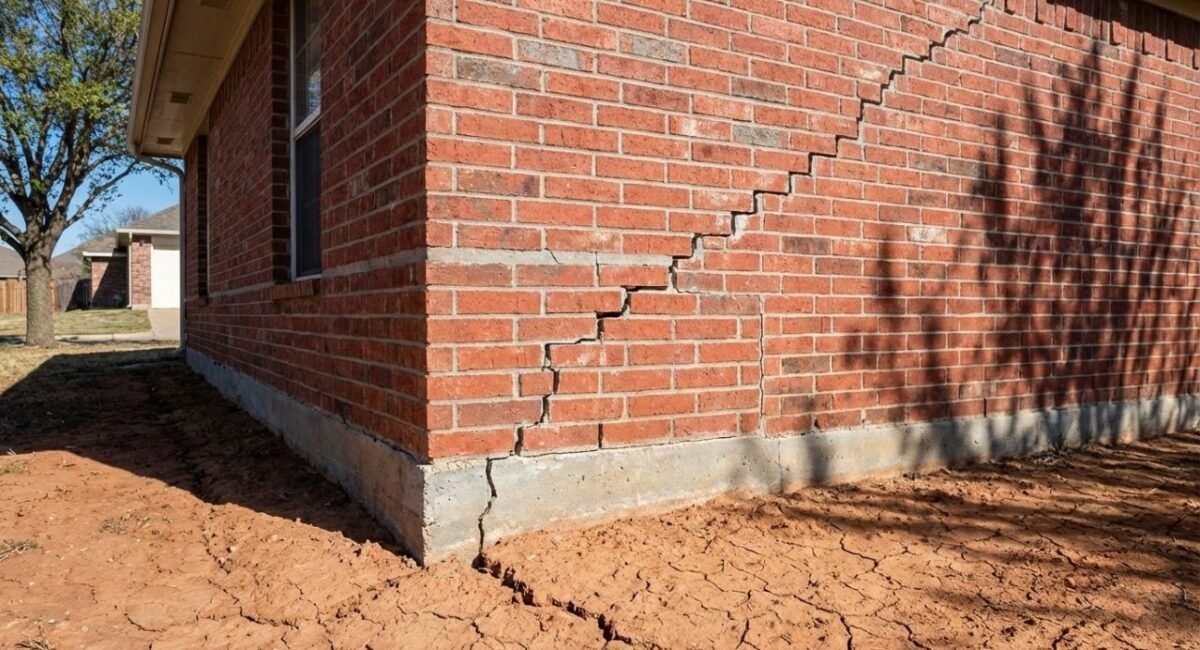
1. Exterior “Stair-Step” Cracks in Brick or Stone
For Texas homeowners with brick or stone veneers, the most obvious sign of trouble is a “stair-step” crack. These cracks follow the mortar lines between bricks in a zig-zag pattern. While small vertical cracks might be simple settling, stair-step cracks almost always indicate that the foundation is sinking in one specific area, pulling the masonry apart.
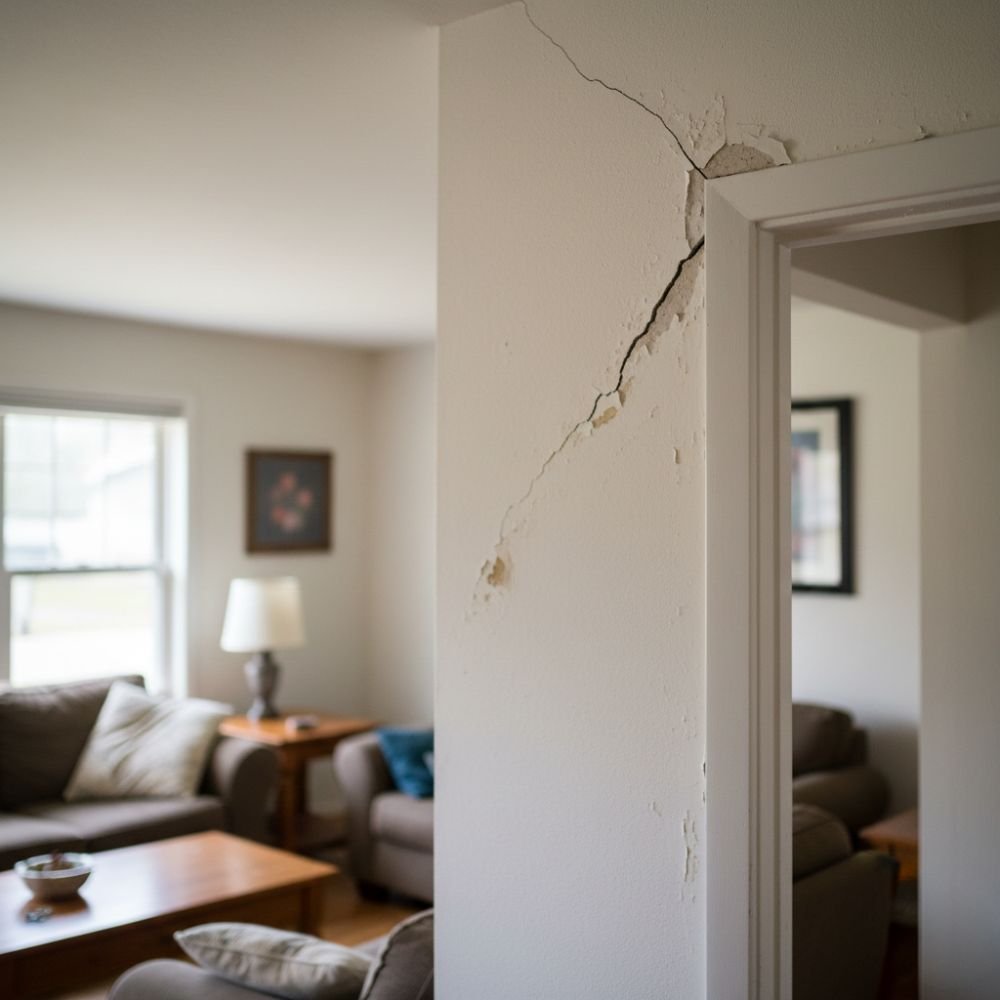
2. Diagonal Interior Drywall Cracks
Inside the home, the pressure of a shifting foundation manifests in the walls. Look above your door frames and windows. Are there diagonal cracks stretching toward the corners of the ceiling? Because windows and doors are the weakest points in a wall’s structure, they are the first to show stress when the foundation shifts even a fraction of an inch.
3. Misaligned Doors and Windows (The “Stick” Test)
Have you noticed a door that suddenly sticks, or a deadbolt that no longer lines up with the strike plate? In Texas, this is often a seasonal sign of foundation movement. If your doors swing open on their own or become difficult to latch, the frame has likely twisted out of a “square” position due to the slab shifting beneath it.
4. Gaps Around Exterior Window Frames or Doors
If you notice that your window frames are pulling away from the exterior brick, or if you see daylight around the edges of your front door, your foundation is likely in distress. These gaps allow moisture and pests to enter your home, further complicating the structural integrity of your property.
5. Sloping, Uneven, or Bouncing Floors
Uneven floors are a major red flag. In slab-on-grade homes (common in Houston and Dallas), the floor may feel like it is sloping toward one side of the house. In older pier-and-beam homes, you might notice “bouncing” or sagging floors. If a marble rolled across your hardwood floor consistently moves in one direction, it’s time for an inspection.
6. Chimney Separation or Tilting
Because chimneys are incredibly heavy and often built on a separate footing from the rest of the house, they are often the “canary in the coal mine” for foundation failure. If you see a gap forming between your chimney and the siding of your house, or if the chimney appears to be leaning, the foundation support for that heavy masonry has failed.
7. Foundation Upheaval and Plumbing Issues
While most people think of foundations “sinking,” the opposite—upheaval—is also common in Texas. This occurs when the soil under the center of the house becomes over-saturated (often due to a slab leak) and pushes the foundation upward. This can cause floors to “dome” and tiles to crack in the center of a room.
Regional Differences: North vs. South vs. Central Texas Soils
- North Texas (Dallas/Fort Worth): Features some of the deepest, most volatile clay in the state.
- The Gulf Coast (Houston): Combines expansive clay with high water tables, leading to “mushy” soil conditions and subsidence.
- Central Texas (Austin/San Antonio): Features thin soil layers over limestone, leading to “rock heaving” and uneven settlement.
Next Steps: Professional Inspections and Repair Methods
If you recognize these signs, do not panic, but do not wait. In 2026, the cost of foundation repair in Texas is significantly lower if caught early. Common repair methods include pressed concrete pilings, steel piers, and helical piers. We recommend hiring an independent structural engineer before calling a repair company to ensure you get an unbiased assessment.
Maintaining a healthy home is part of running a successful life in the Lone Star State. For more resources on Texas property and business, visit Top Austin Businesses.
Leave a Comment